|
|
|
 |
||||||||||||||||||||||
|
The recent emergence of mutant hepatitis B virus (HBV) strains with altered antigen expression presents a significant concern to the healthcare community. Although, to date, the incidence of these mutants appears to be limited, the possible ramifications extend to diagnostic and treatment issues for clinicians, laboratorians and patients. Additionally, hepatitis B surface antigen (HBsAg) mutants create technological and regulatory issues for assay manufacturers that will need to be addressed as more information becomes available.
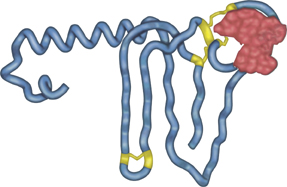
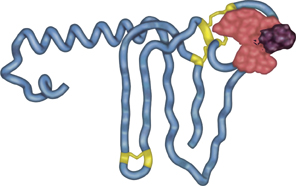
HBsAg "escape" mutants have been reported in the literature since 1990, and the phenomenon has been recognized worldwide. Escape mutant rates as high as about 5 percent have been reported in vaccinated neonates born to HBsAg-positive mothers; these variants can establish persistent infection in children. Breakthrough infection rates due to HBIG escape mutants in OLT have ranged from less than 10 to nearly 60 percent. A less favorable clinical outcome with respect to survival following OLT has been reported in recipients with the amino acid position 144/145 HBsAg variant compared with those predominantly infected with wild-type HBV. HBsAg mutants isolated in a fulminant hepatitis case had caused a severe defect in viral secretion which may have triggered rapid cell death, leading to hepatic failure. Gly-145-arg was one of the mutations involved in this case.2 The ability of HBsAg assays to detect mutant antigen is becoming increasingly important. Detection antibodies raised against wild-type ("normal") HBsAg may not recognize mutant protein. In fact, several HBsAg assays fail to detect the HBsAg of some or all of the different "a" mutants tested. The FDA has begun to request from manufacturers data on mutant detection as well as package insert warnings if mutants are missed. How do the DPC HBsAg assays fare with respect to HBV mutant detection? The CE Mark study on DPC's IMMULITE® and IMMULITE® 2000 HBsAg assays demonstrated that these assays were better than the competitor assay at detecting the four mutants that were included.3 The number of samples was too small, however, to conclude that the DPC assays would detect all "a" determinant mutants. Further studies remain a high priority. Clinicians are discussing the mutant issue in the literature: Saw et al.4 advise laboratorians and clinicians to have some understanding of mutations and the differences in HBsAg assays produced by the various manufacturers. False-negative results may unnecessarily complicate or delay the diagnosis of HBV infection in patient groups infected with mutant strains. HBsAg mutants are still considered rare in most of the world and, therefore, of apparent limited influence on clinical decisions. Additional testing on all assays and instruments will help clinicians and laboratorians to understand the extent of this issue more clearly. References
2. T, Riu A, Fischer L, Will H, Sterneck M. A dominant hepatitis B virus population defective in virus secretion because of several S-gene mutations from a patient with fulminant hepatitis. Hepatology 2001;34:385-94. 3. Weber B, Dengler T, Berger A, Doerr HW, Rabenau H. Evaluation of two new automated assays for hepatitis B virus surface antigen (HBsAg) detection: IMMULITE HBsAg and IMMULITE 2000 HBsAg. J Clin Microbiol 2003;41:135-43. 4. Saw SL, Aw TC.
Hepatitis B surface antigen mutant detection on four immunoassay analysers
[abstract 198]. Clin Chem 2000;46(S6):A53. |
|||||||||||||||||||||||
 |
|||||||||||||||||||||||
| Home
- Search
- Site
Map - Contact
Us About DPC - Medical Conditions - Technology - Immunoassay Products - Financial - Employment |